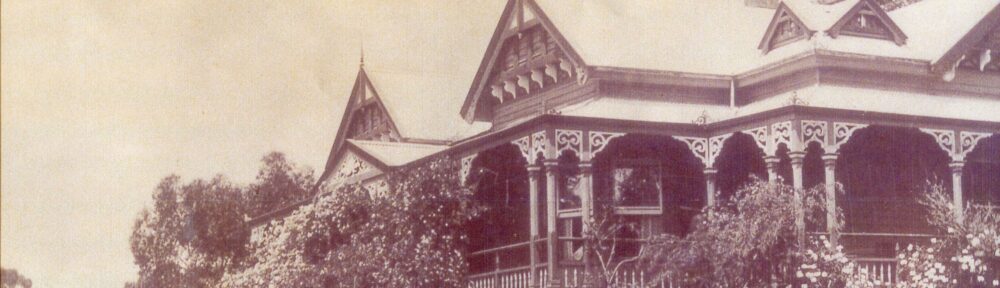
Following their arrival in Maldon from Western Australia in 1899, Charles and Mary Calder had every reason to be confident of the town’s prospects and their future; the economic depression and severe drought of the 1890s had passed, the march towards Federation of the colonies was in its final phase, and the revival of Maldon’s gold mining industry had seen the town’s population double to 3,667 in recent years.

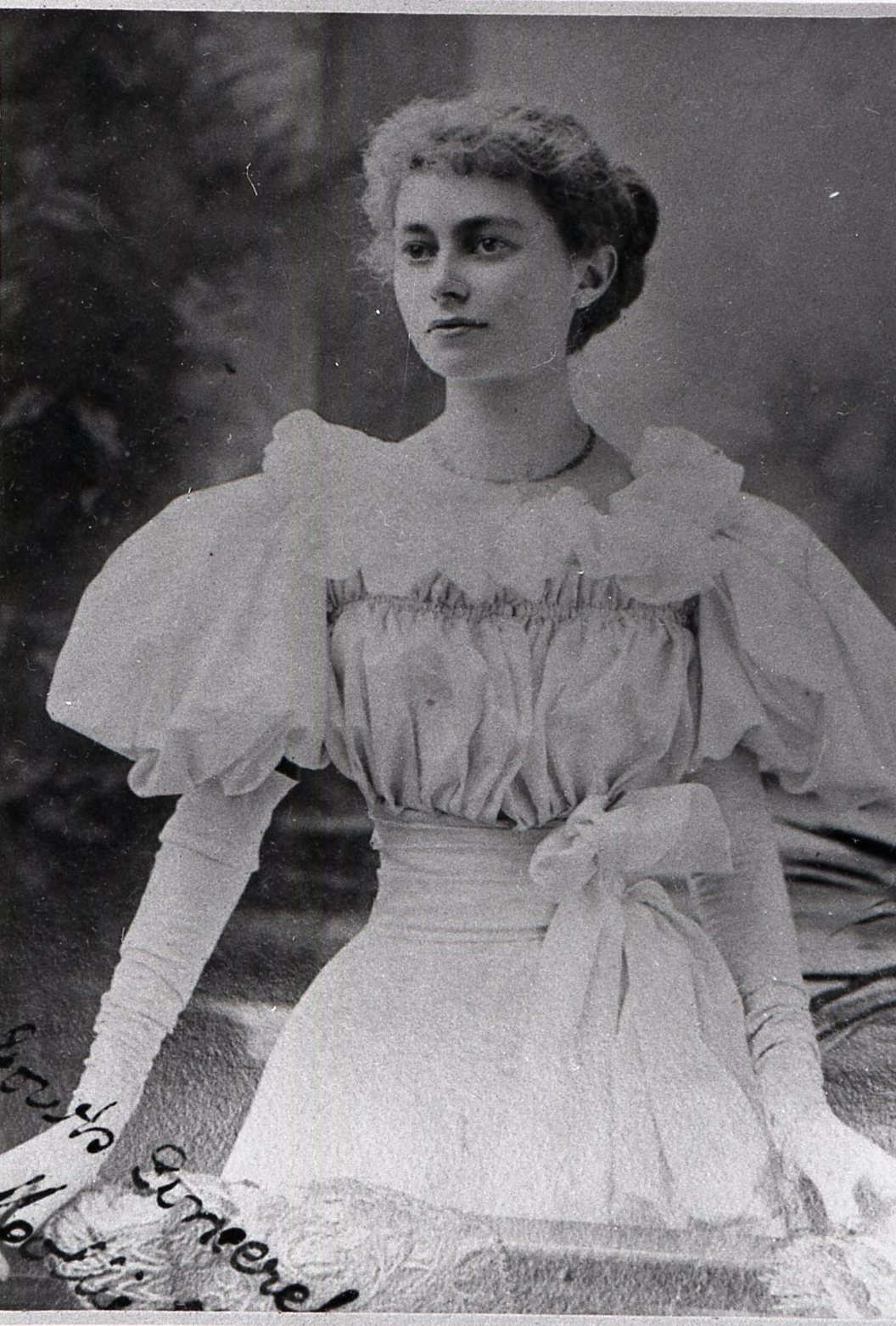
Having secured the site for his new residence, Charles now commissioned Louis Boldini to design a residence befitting the couple’s aspirations and their perceived position in society. Charles also had access to the resources of the family business and many of the fixtures and fittings in the house showcased the workmanship and products available at the time.
In late 1900 the result was Minilya, a picturesque study in grandeur and respectability sited on the lower slopes of Mount Tarrengower. Influenced by fashion, the terrain, available materials and trade skills, the house was designed to take in the excellent views over the surrounding countryside and maximise its visual impact from numerous vantage points.
A grand design –
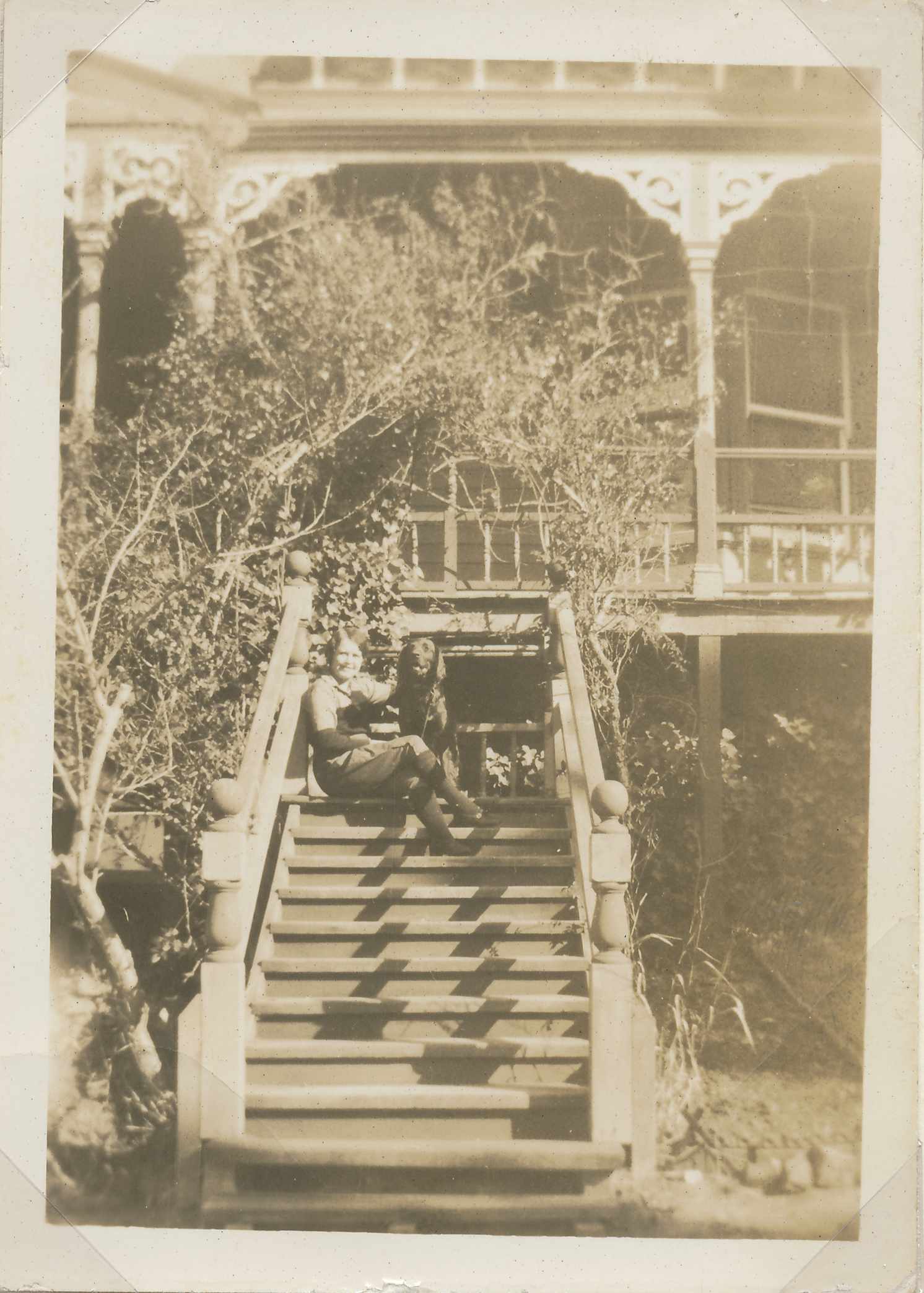
Boldini designed a beautiful late-Victorian Rustic Gothic composition. It included a complex, steeply-pitched roof line, elaborately decorated gables, and distinctive banded face brick chimneys, along with asymmetrically set features which added to its picturesque quality. An elaborate picket fence and elegant verandah ornamentation provided an appearance of substance, and a grand entry staircase offered a pleasing sense of arrival and commanding views.
The gently curved driveway leads past the main entrance and on to the carriage house and stable. The carriage house, later the motor garage, repeated the picturesque theme of the residence, thereby visually strengthening it. Stone-walled terraces followed the existing contours to create interesting forms around the house platform and support exuberant plantings of shrubs and roses which softened the somewhat raw environment.
The original exterior paint scheme featured walls finished in a rich earthy brick-red shade, enlivened with contrasting shades on the intricate timber trims. The scheme was distinctive and the height of fashion in 1900.
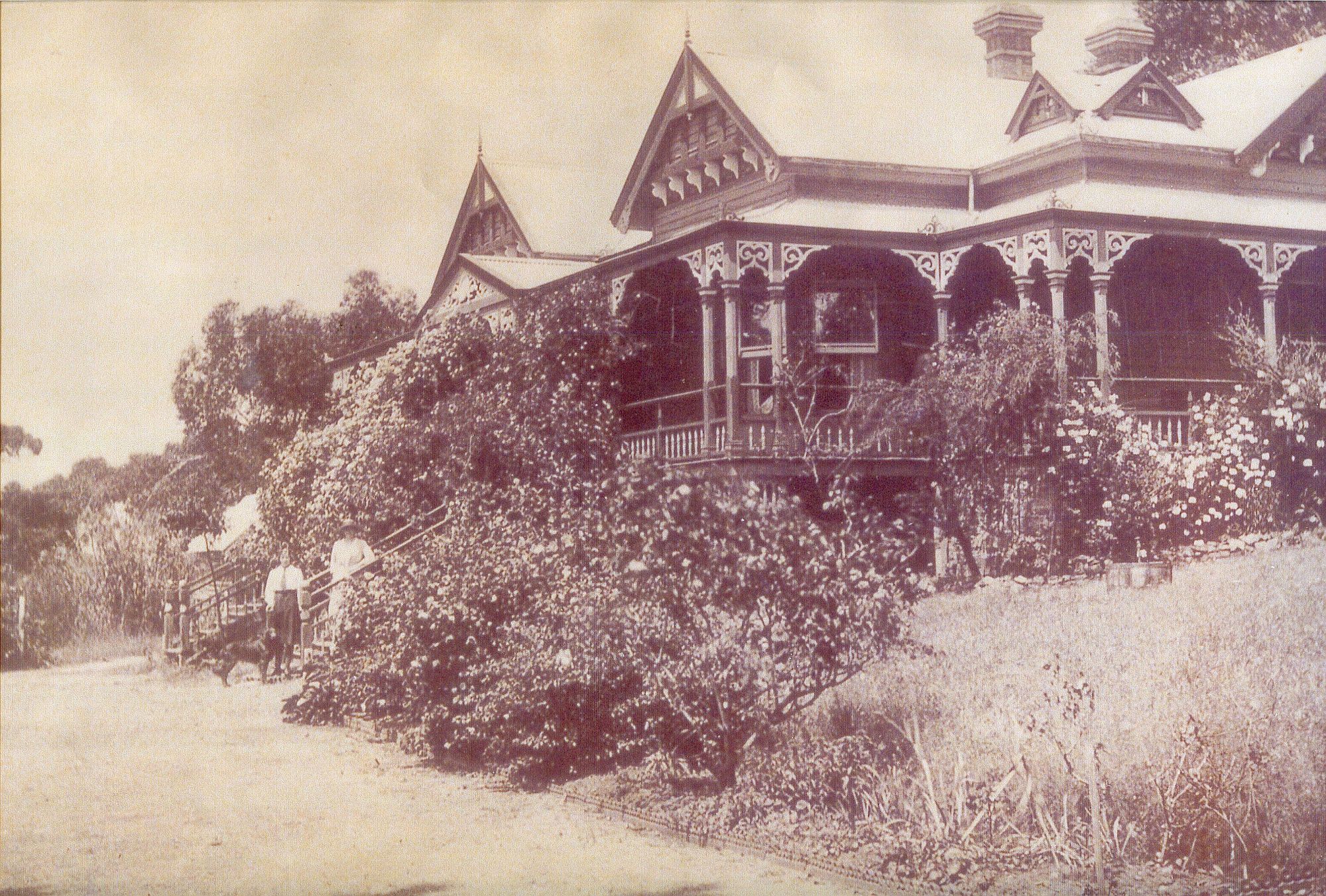
Source: Minilya House & Garden Archive.
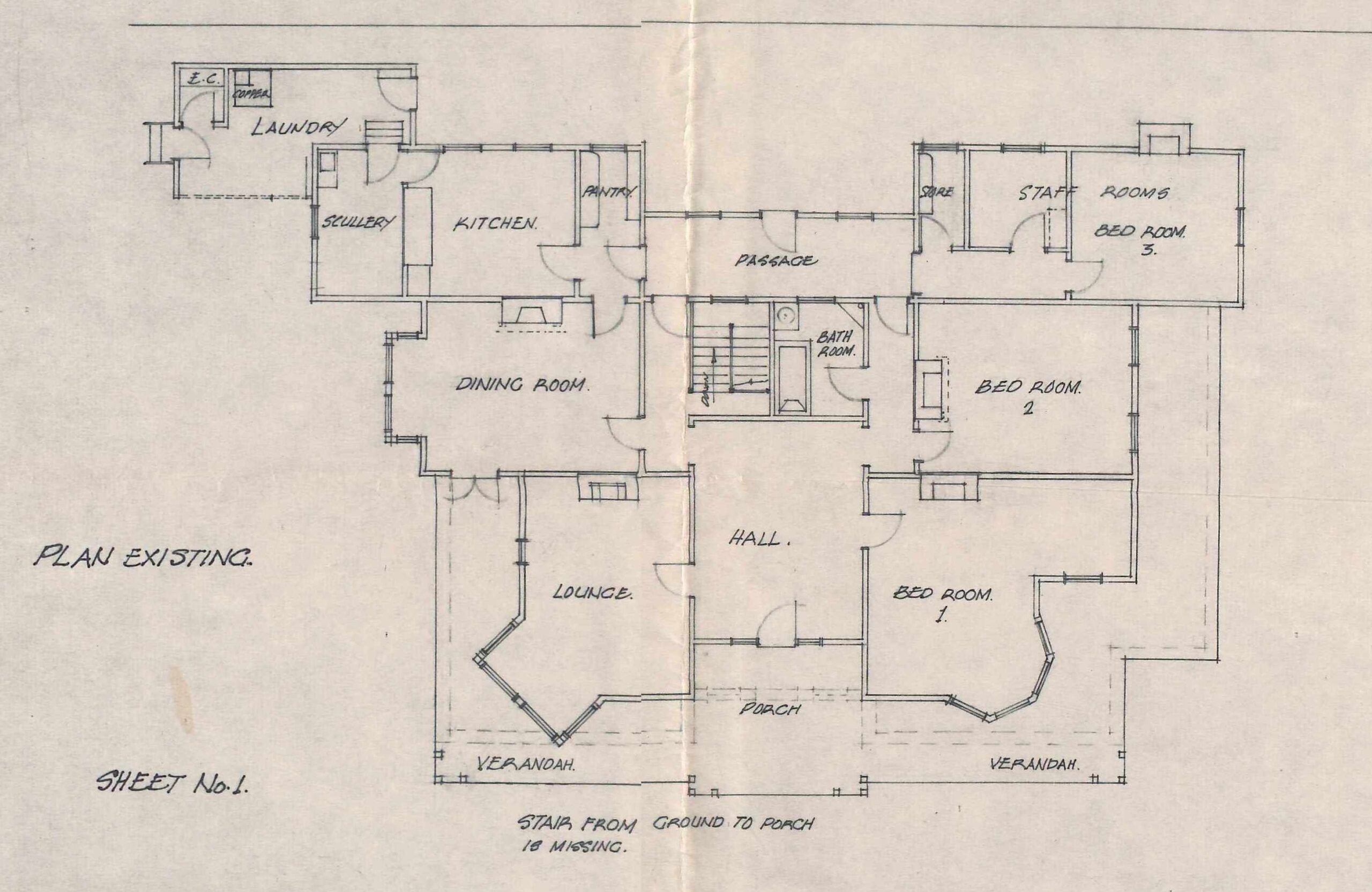
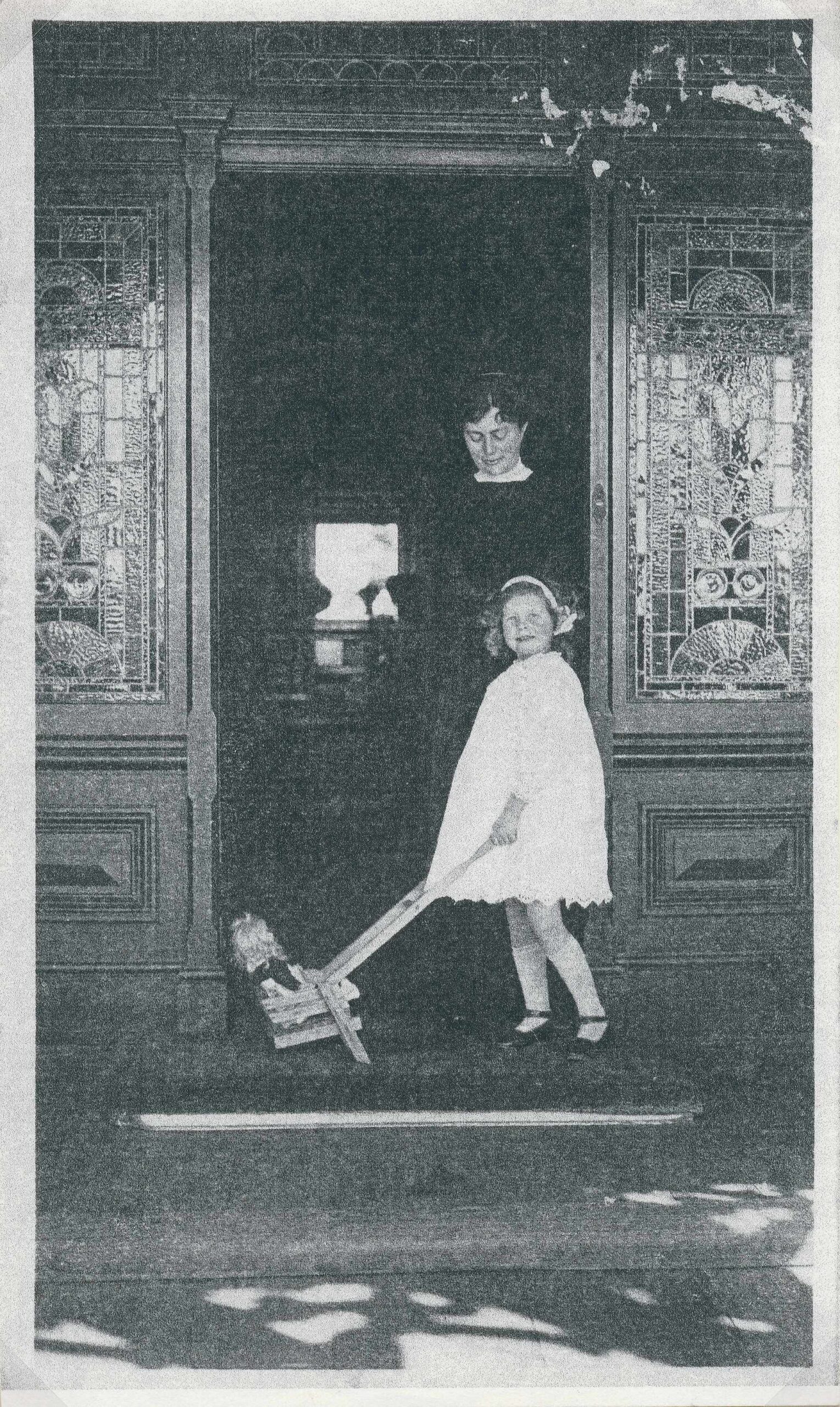
The house proper comprises a grand entry hall which acted as a welcoming and striking reception space adorned with richly coloured leadlight sidelight and transom windows. The drawing room, dining room, bedroom no.1 and bedroom no. 2 are set around the entry hall; each of these rooms is elegantly appointed and characterised by style and substance. French doors integrate the dining room with the outdoors and garden views via the south-side verandah.
The beautifully proportioned main rooms feature large windows set as box or octagonal bays to admit natural light and encourage ventilation. These rooms are finished with relatively simple moulded plaster decoration, wide Kauri floor boards, and extensive high-quality joinery including some magnificent panelled doors. Elaborate chimney pieces adorn the dining room and bedroom no. 1, while simpler mantel pieces are found in the drawing room and bedroom no. 2. Bay windows and fine leadlight work add colour and interest. The unusual ogee-arched entrances between the hall and the north and south passageways included portiere drapes as was common with a doorless entry way.
These passageways lead to the north and south service wings respectively. The wings are connected by an enclosed verandah across the rear of the main house. Below the entry hall, a lower storey comprises a cool store set into the side of the hill, and a summer retreat with access to the garden.
The service wings include a scullery, kitchen with original cast iron range, and butler’s pantry with built-in cupboards, a linen room, and servant’s bedroom. All are pine lined throughout. The tradesman’s entry gate was located nearby. Sidney Myer is said to have been a regular caller during his years of plying fabrics and garments throughout the district.
The floor plan, plus building services installed at the time, indicate Minilya was designed with comfort and functionality in mind. Services included reticulated gas lighting, battery-powered servant bell system, reticulated water, drainage systems and sanitary fixtures, and the orientation and layout also maximised the available natural light and ventilation.
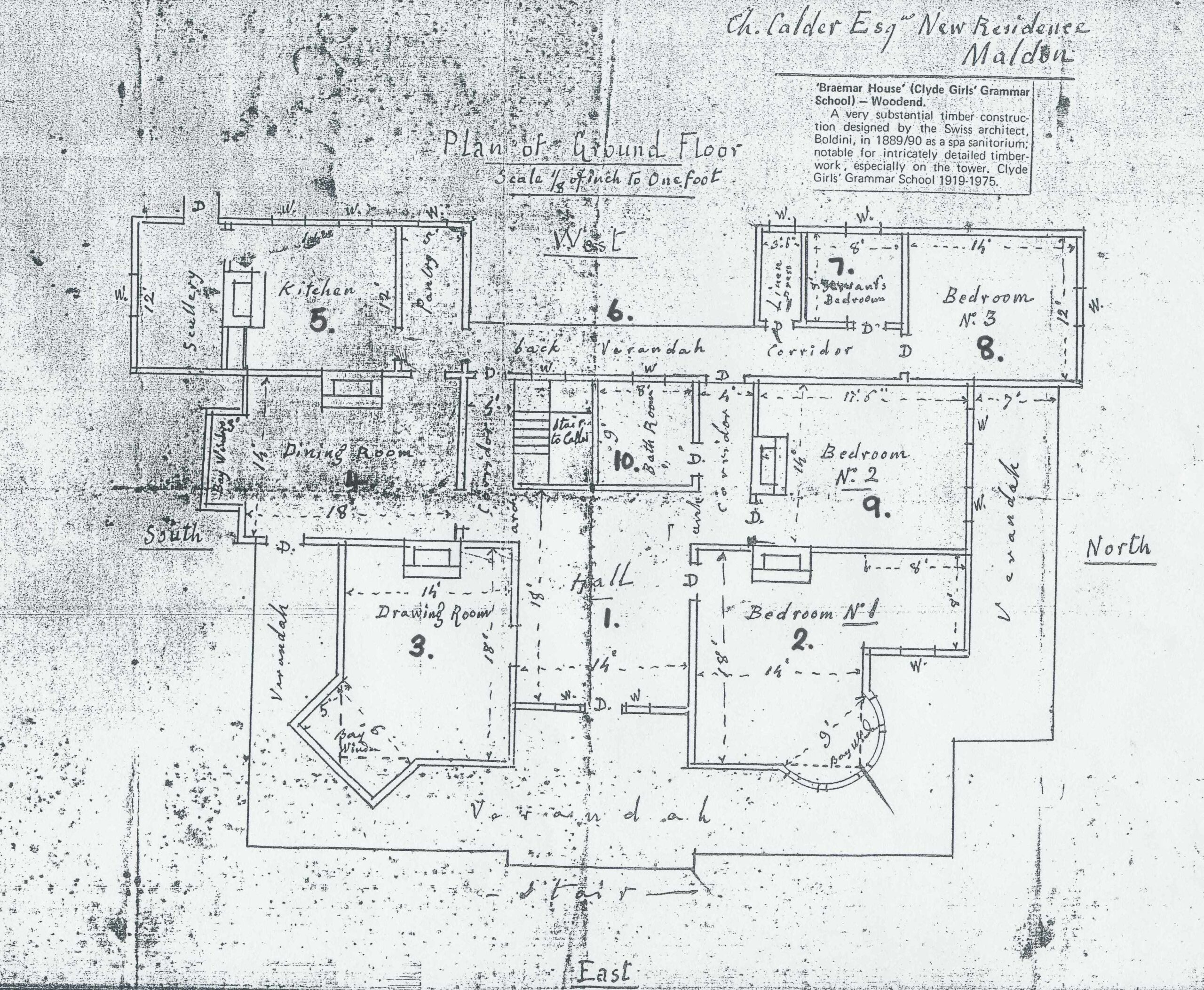
Source: Minilya House & Garden Archive.
All in all, Minilya is a captivating and attractive property which responded to the desires and needs of its owners and announced their refined taste and social standing to all who visited. As it transpired, Minilya was the last grand residence to be constructed in Maldon during the gold mining era. The property is noted in the Maldon Conservation Study, Jacob Lewis Vines, 1977, and continues to be a Maldon landmark of aesthetic, historic and social significance.
Naming the residence –
The property name may seem curious, however its most likely genesis seems to be Mary’s connection with the Minilya River in Western Australia where her family held the Middalya pastoral lease. The spelling of Minilya varies in the records: Minilya, Minillya, Minillyah, and Manilya are all seen. It’s even noted as Umillya in a transcription of Charles Calder’s Will. Minilya is the most widely reported spelling and is used throughout this record.
A property name was an important identifier prior to the introduction of regular lot numbering systems; such a system was not introduced in Maldon until the mid-1970s.
Activities and events –
Charles and Mary resided at Minilya from 1900 to 1933; a period of immense change for Maldon and the Calder family.
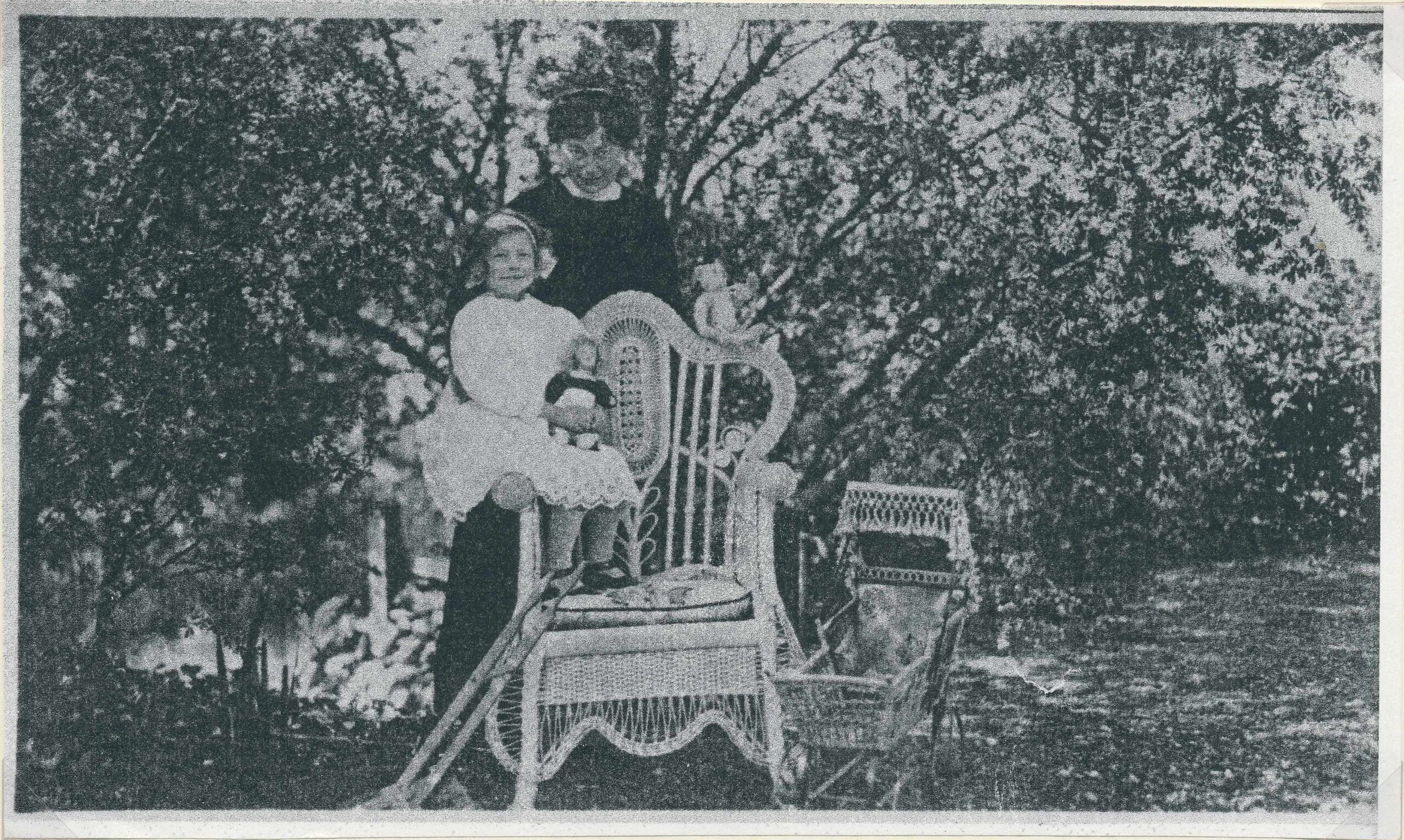
Mary and Charles’ first child, Phyllis was born in December 1900, but sadly died in 1902. Their second daughter, and only other child, Madge was born in 1907.
In Perth Mary’s father, William Hearman, passed away in January 1900. Soon afterwards his widow Eliza returned to Brighton, England where she passed away in January 1903. It was reported in the Daily News, Perth, on 26 March 1903 that Eliza bequeathed a handsome sum to each of her surviving children, including £12,000 to Mary.
Charles’ business activities thrived. He was keenly involved with the affairs of several local mining companies and took part in many community activities. Charles was a member of the Volunteer Rifles as a young man. In later life he continued his interest in amateur theatre, singing and sport, especially tennis and was a supporter of the Lawn Tennis Association. He also assisted his aging father in the ironmongery business eventually taking over after his father’s death in 1906.
From 1908 to 1910 he was President of the Maldon Traders’ Association. In 1909 the association hotly debated whether to continue with shop trading until 10pm on Saturday nights in line with the surrounding towns or to introduce 9pm closing. Those favouring earlier closing felt that the public could be educated to accept the change and the same amount of business would be done, those in opposition felt custom would leak out to the surrounding areas, 10pm closing remained.
Against this background life continued on at Minilya.
The economic boom was relatively short-lived. By 1911 the town’s population had declined to 3,077 as mining operations wound down due to technical difficulties, increasing costs, and workers’ reluctance to accept the poor working conditions. World War One would exacerbate these problems and create new ones.
As people continued to move from Maldon, a group of former residents started meeting in Melbourne, and each Easter increasing numbers returned to visit their former home. In 1917 the group, the Maldon Fraternal Society, decided to work towards an annual ‘Back to Maldon’ celebration to coincide with Maldon’s Easter Fair. This influx of visitors raised funds for community groups and reaffirmed old friendships; it was an early example of the value of the visiting friends and family demographic to the town.
By the early 1920s the recently formed Advance Maldon Association was actively seeking economic alternatives to mining. It was hoped that the area’s natural assets could generate sufficient tourism interest to save the town from economic oblivion. The installation of a lookout tower on Mount Tarrengower in 1923 was part of this plan. Charles Calder was an active supporter of the plan and covered the cost of moving a poppet head from Bendigo for use as the basic structure.
The closure of the last major mine in 1926, followed by general economic decline, falling commodity prices and the Great Depression, accelerated Maldon’s economic and population decline. By 1933 the population was just 723. In May of that same year, Charles sold Minilya, thus Charles left the place he and the Calder family had been an integral part of for 75 years. The family moved to the Melbourne suburb of Kooyong, where family members were regularly spotted at the Kooyong Lawn Tennis Club.
Fortunately, both of the Calder family residences, Minilya and Roseneath, survived the ebb and flow of Maldon’s fortunes and are now part of the much admired and studied architectural legacy of Maldon’s golden era.
Source: Minilya House & Garden Archive.